
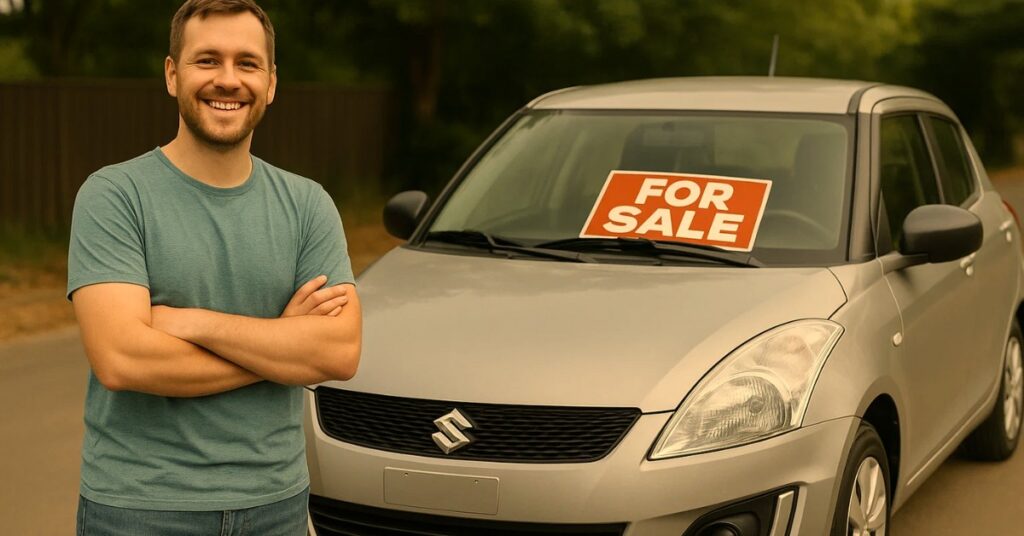
Don’t get taken for a ride — literally.
Buying a used car in South Africa? Then you already know: it’s a jungle out there.
Some deals feel too good to be true (because they are), and others fall apart the moment you drive off. But here’s the good news — you don’t need to be a mechanic to spot a lemon.
Use this practical, no-BS checklist to inspect any used car before you buy it — and make sure your next ride isn’t someone else’s regret.
🔍 Step 1: Check the Paperwork First — Always
Before you even look at the car, ask for these:
- Registration papers (logbook) – Check the owner’s details and that the car isn’t still financed (unless you’re buying through a dealer).
- Service history – Full = gold. Partial = ask questions. None = walk away unless you’re very confident.
- Roadworthy certificate – If they don’t have one, factor the cost in.
- VIN number – Run it through an online VIN check or your insurer to make sure the car hasn’t been in a major crash or written off.
💡 Pro Tip: If the owner seems cagey about any documents? Red flag. Walk away.
🚘 Step 2: Do the Full Walkaround
You’re not just admiring the paint job — you’re looking for warning signs.
Exterior:
- Look at the paintwork under good light — mismatched shades = possible panel replacement.
- Use a magnet on panels (yes, seriously) — body filler won’t hold a magnet.
- Check windows for chips, cracks, and working mechanisms.
- Inspect tyres for even wear and tread depth. Different brands or uneven wear could mean alignment issues.
- Peek at headlights & taillights — if one looks newer, it may have been in a fender bender.
🪑 Step 3: Step Inside (And Take a Deep Breath)
Interior:
- Smell anything weird? Damp/mould = leaks. Smoke = tough to get out.
- Look at the seats and dash — any cracks, sagging, or tears?
- Test everything: windows, wipers, A/C, radio, central locking, mirrors, USB ports. If it has a button, press it.
⚙️ Step 4: Open the Bonnet — No Experience Required
You don’t need to know how to fix it — just spot the basics:
- Check oil, coolant, and brake fluid. Dirty or low = poor maintenance.
- Does the engine start easily and idle smoothly?
- Any ticking, knocking, or strange rattles? Walk away.
- Look under the car for leaks. A few drops? Normal. Puddles? No thanks.
🧰 Bonus tip: A well-looked-after engine bay is usually clean(ish). If it’s caked in oil, or oddly spotless, something’s off.
🛣️ Step 5: The Test Drive is Where It All Comes Out
Drive like you mean it — not just around the block.
- Try hills, open roads, and bumpy roads if you can.
- Listen for rattles, knocks, shudders, and strange gear changes.
- How do the brakes feel? Any pull to one side?
- Check for warning lights on the dash — even briefly flashing ones.
If something doesn’t feel right, trust your gut.
🚨 Bonus: Scams Are Real – Especially Online
If the price is too good to be true? It probably is.
Never pay a deposit without seeing the car in person.
Be wary of Facebook Marketplace “flippers” who resell problem cars.
🛡️ Don’t Forget: Insurance is Part of the Package
You finally find the perfect used car, you’re about to buy it, and then… surprise! You can’t afford the monthly insurance premium.
Don’t wait until after the purchase — get a quick quote beforehand, so you know exactly what to expect.
👉 Click here to compare car insurance for used cars
Whether it’s a VW Polo, Toyota Hilux, or a GWM bakkie — we’ll help you find a better rate from trusted SA insurers.
✅ Final Checklist (Quick Save Version)
Here’s a recap of what to inspect:
- Vehicle papers, logbook, and service history
- VIN check and roadworthy status
- Paint & panel alignment
- Tyre condition & wear
- Interior condition + electrics
- Engine sound, fluid levels, and leaks
- Test drive performance + warning lights